PRESENTATION
2026 starts with the pinnacle of French Romanticism: Werther by Jules Massenet, based on the epistolary classic of universal literature «The Sorrows of Young Werther» by Goethe, which deals with the deep experience of love that can’t find happiness.
This lyrical drama in four acts and five tableaux with an extremely romantic plot tells the impossible love story between Werther and Charlotte and stands out for its delicate melodic line and elegant orchestral backdrop. To bring the characters of this story to life and address its musical complexity, ABAO has gathered a cast led by Stephen Costello, who makes his debut in the association; with him, one of the most important mezzo-sopranos of the present time: Annalisa Stroppa.
The music director is a French repertoire specialist, Carlo Montanaro, conducting the Bilbao Orkestra Sinfonikoa in a score with a careful, powerful, beautiful and forceful orchestration, whose emblematic moments continue to have a profound effect on the public even today.
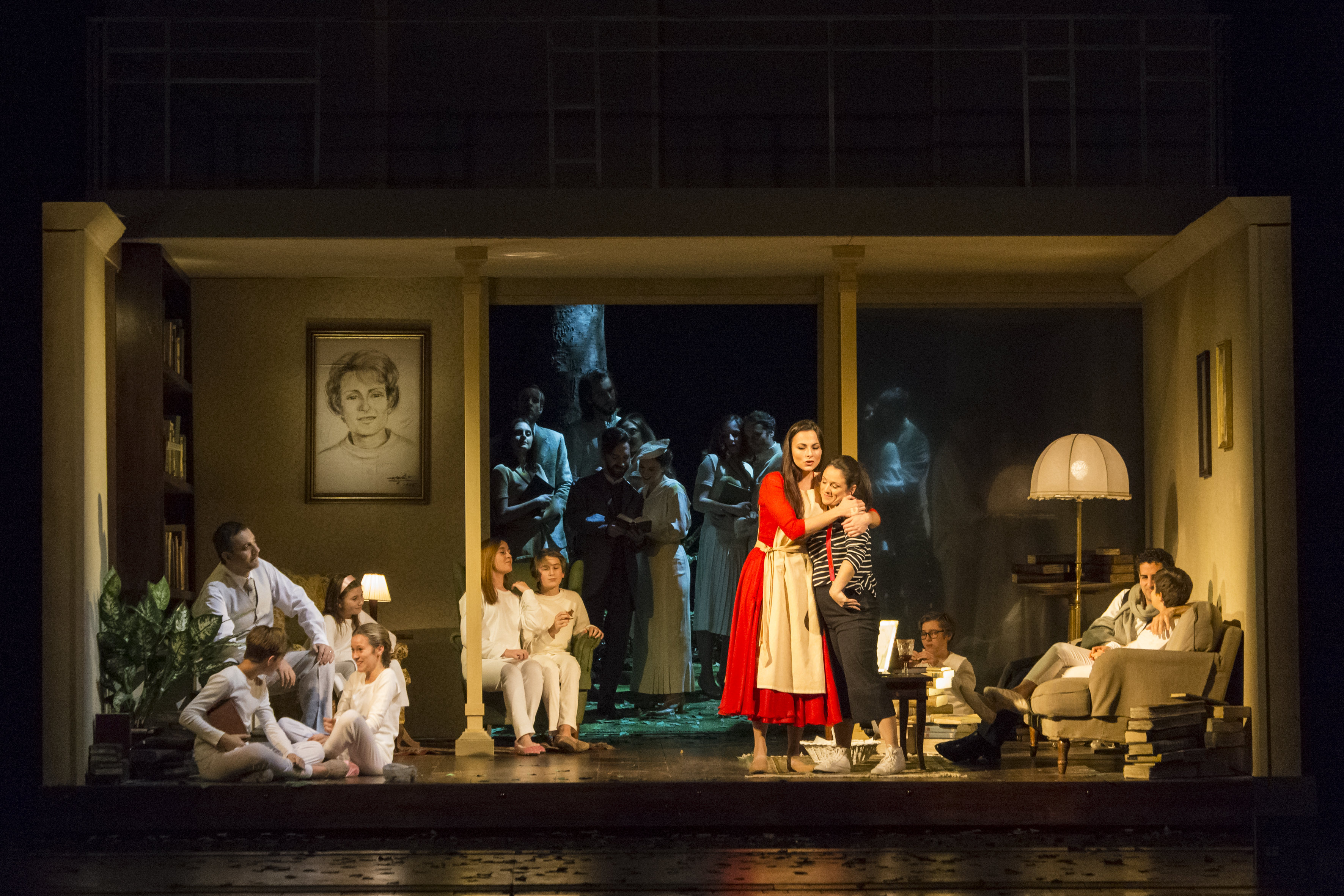
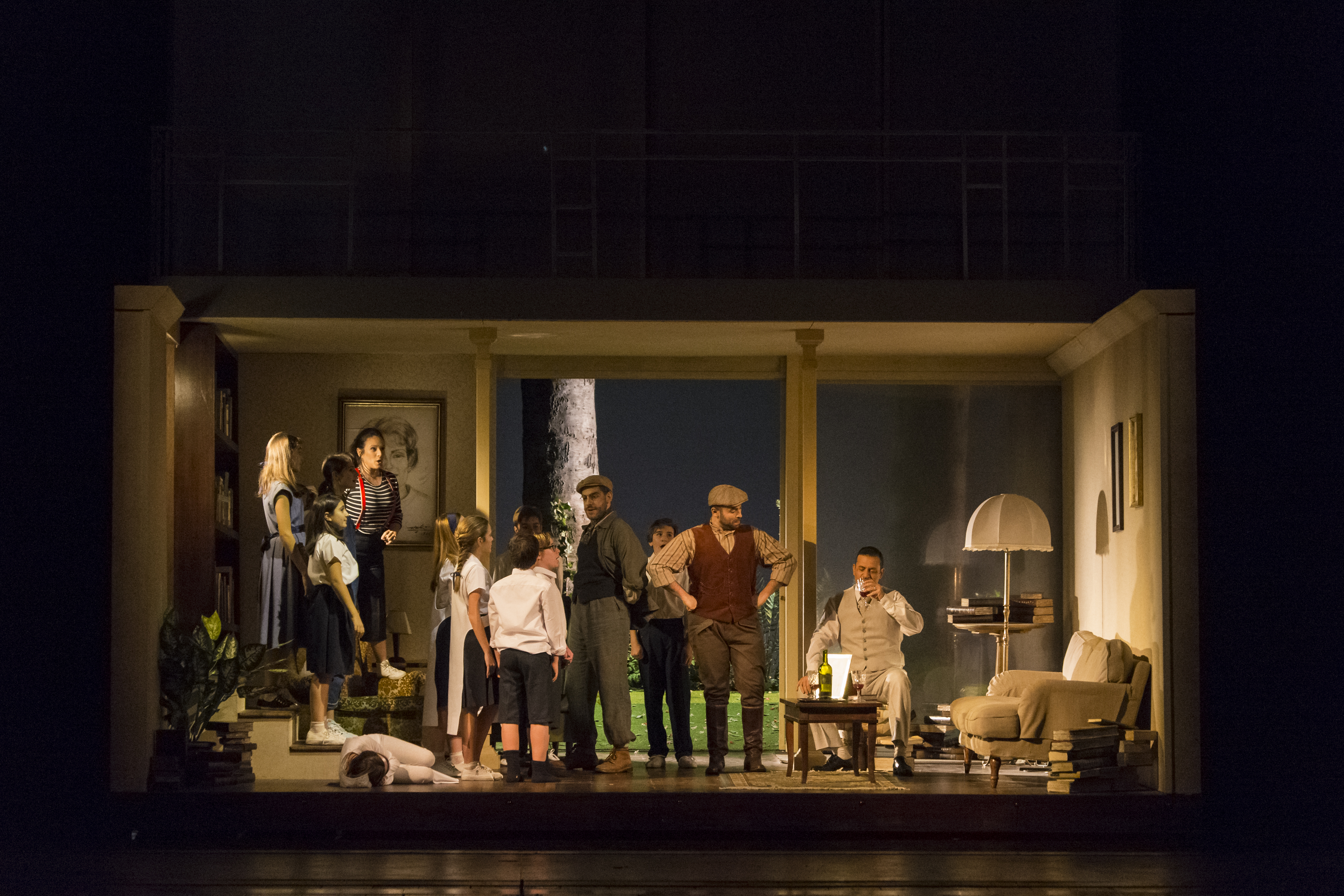
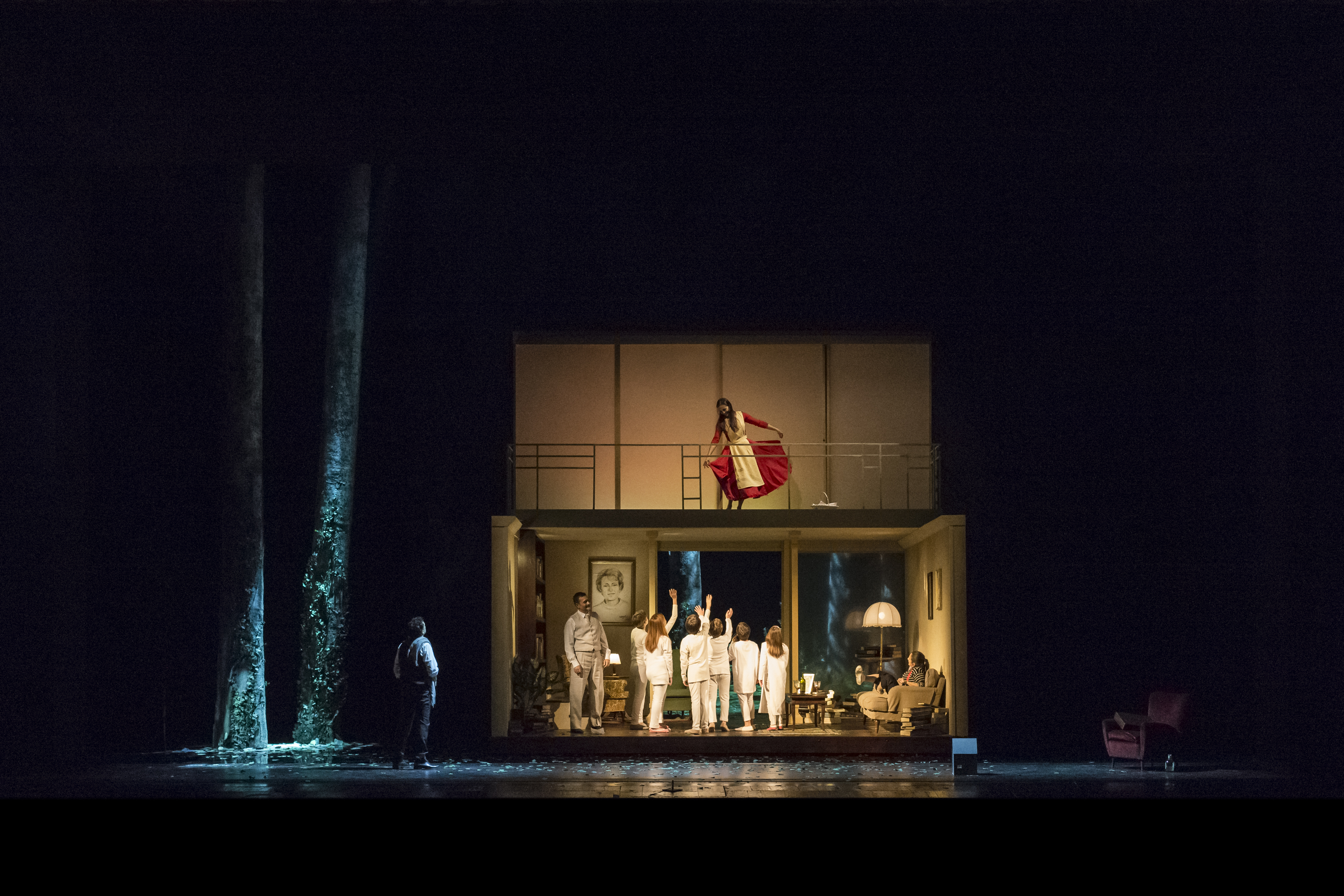
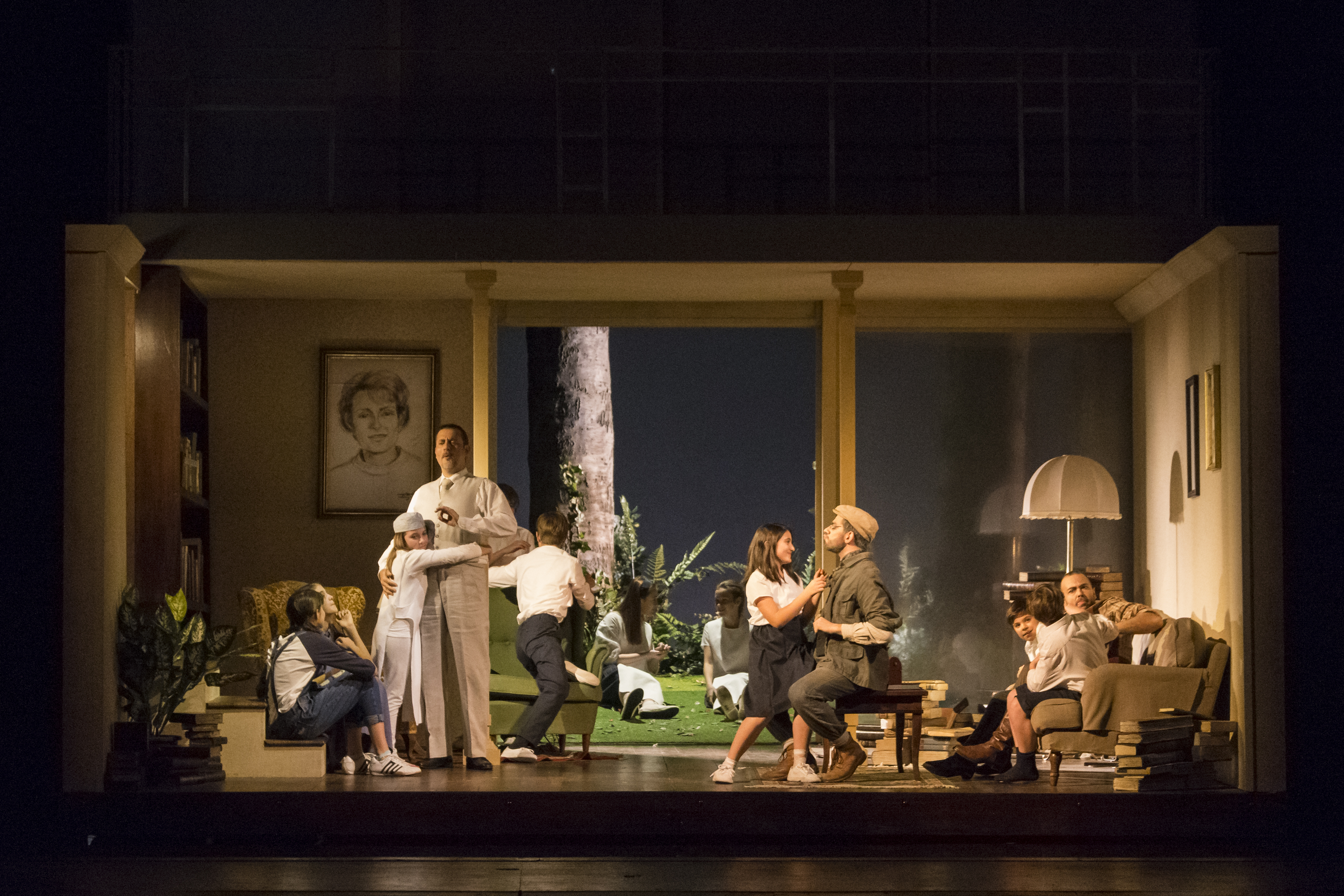
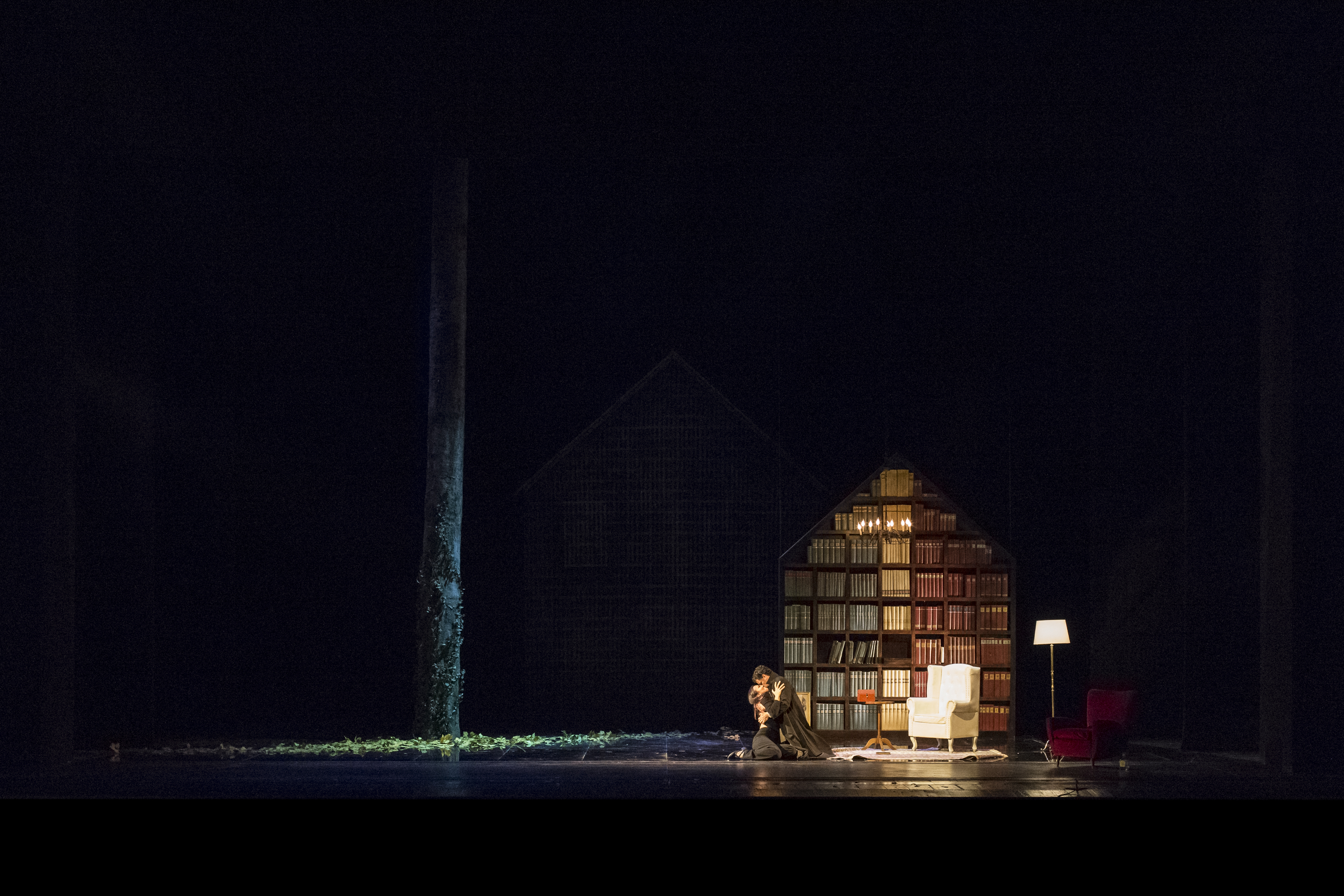
On stage, a show of rare beauty by Rosetta Cucchi for Teatro Comunale di Bologna. With a cinematographic style, it stands out for its dramatic and poetic intensity, its involvement capacity, the refinement of the scenes and the appeal of the wardrobe.
ARTISTIC SHEET
CAST
- Charlotte
- Sophie
- Albert
- Le Bailli
- Schmidt
- Johann
- Katchen
- Werther
- Bruhlmann
ARTISTIC TEAM
- Director Musical
- Director Del Coro
- Dirección De Escena
- Producción
- Orquesta
MULTIMEDIA
PUBLICATIONS
DOSIER
AUDIO
Youtube
SYNOPSIS
Act I
The garden of the Bailiff’s house. July.
The Bailiff is entertaining his youngest children, teaching them a Christmas carol. His friends, Johann and Schmidt, arrive, followed immediately by Sophie, the Bailiff’s fifteen-year-old daughter. Mention is made of that evening’s ball, where Charlotte, Sophie’s eldest sister, will be escorted by Werther, a gentle and melancholic young man destined for a diplomatic career. The friends ask when Albert, Charlotte’s long-absent fiancé, is expected to come back. After everyone leaves Werther arrives and reflects on the beauty of the summer evening. Then, standing aside, he observes Charlotte as she prepares bread and butter for her younger brothers and sisters. The Bailiff welcomes other guests and introduces Werther to Charlotte. Werther, touched by the scene of domestic intimacy that he has observed, accompanies Charlotte to the ball.
The Bailiff joins his friends at the inn and it is Sophie, left alone, who greets Albert when he unexpectedly returns from his journey. Hours pass. The garden, illuminated by the moonlight, is deserted. Charlotte and Werther return from the ball; Werther declares his love for her but the Bailiff, from inside the house, announces Albert’s return. Werther then learns that Charlotte promised her dying mother to marry Albert, and he is devastated that she is engaged to another man.
Act II
Wetzlar’s square, with the church, the pastor’s house and the inn. Autumn.
Schmidt and Johann, at the door of the inn, watch as members of the congregation make their way to the church to celebrate the golden wedding anniversary of their pastor. Albert and Charlotte, who have been married for three months now, are among them. Werther sees them and cannot accept the fact that the woman he loves is married to another man. Sensing the reason for his unhappiness, Albert addresses him with words of understanding, and Werther, for his part, assures him of his loyalty. Sophie enters joyfully holding a small bunch of flowers for the pastor and asks Werther to be her partner for the first minuet at the party. Albert points to her as an example of how happiness can be within reach with the simplest things. Werther is left alone and, when Charlotte comes out of the church, he reminds her with nostalgia about their first meeting, but she reminds him that she belongs to another man and, telling him to forget her, she leaves. When Sophie invites him to join the party, Werther curtly refuses and states his intention to go away forever. When Sophie, in tears, tells Albert what has happened, he realises that Werther is still in love with Charlotte.
Act III
The living-room at Albert’s house. Christmas Eve.
Charlotte is in the living-room, re-reading Werther’s letters, and is disturbed by feelings of guilt and remorse for her having insisted that he go away. Sophie tries to console her but, when she mentions Werther, with whom she herself is in love, Charlotte bursts into tears. Werther appears unexpectedly. He has returned for Christmas, as he promised, but his feelings have not changed. Together, they recall past moments full of tenderness and, in a moment of abandon, they embrace. However, Charlotte finds the strength to push him away and flees to her room. Once again, Werther realises that he has no hope of happiness. Soon after leaving, he sends a message to Albert: he asks him to lend him his pistols, saying that he needs them for a long journey. Albert sends them to him. The meaning of this request does not escape Charlotte, who can sense what is going to happen and, as soon as she is left alone, she rushes to Werther’s house to stop him.
Act IV
Werther’s study.
When Charlotte reaches Werther’s house she finds him mortally wounded. He begs her not to go and call for help, since this would deprive him of the joy of her presence in the last moments of his life. Charlotte confesses that she has always loved him and reproaches herself for not having known how to obey her own feelings. He asks to be buried under the linden trees at one end of the cemetery or, if the church does not allow this, in unconsecrated ground, where priests may pass by but where at least a woman may cry at his grave. While children’s voices are heard in the distance celebrating the birth of Jesus with the same Christmas carol they had sung in the first act, Werther dies in Charlotte’s arms.